Seven Basic Plots

From another writing course the idea that there are just seven basic writing plots.

(Originally Christopher Booker – 2004 Bookfinder seven plots)

I am not clear how valuable it is knowing that there are seven basic plots. I imagine that you are trying to write something unique and new.

If you see “Award Winning Writer” in your future I cannot imagine you getting there by following a pre-prescribed route.

However it might be useful to see what has gone before – here are the seven basic plots.

Overcoming the Monster (e.g. The Hobbit, Cloverfield, Dracula, Harry Potter)

    1. Anticipation and call
    2. Dream stage – thinks overcoming will be easy
    3. Frustration – face to face with monster
    4. Nightmare stage – final ordeal
    5. The thrilling escape from death and death on monster

Rags to Riches (e.g. Jane Eyre, Great Expectations)

    1. Initial wretchedness at home and call
    2. get out into world – initial success
    3. The central crisis
    4. Independence and the final ordeal
    5. Final union, completion and fulfilment

The Quest (e.g. Lord of the Rings, The Hobbit)

    1. The call
    2. The journey (archetypal figures)
    3. Arrival and frustration
    4. Final ordeal and last battle
    5. The goal, treasure, prince/ess

Voyage and return (e.g. Sinbad, Alice in Wonderland, Peter Pan, James and the Giant Peach)

    1. The fall into another world (ie. Alice in Wonderland)
    2. Initial fascination – dream stage
    3. Frustration stage – dark shadow figure
    4. Nightmare stage – its dominating looks like dark force will win
    5. Thrilling escape and return to normal world

Comedy (e.g. Hitchikers Guide to the Galaxy, Witches Abroad)

    1. Shadow of uncertainty and confusion
    2. Confusion get worse – disguise men/women
    3. Confusion gets resolved and lives happily ever after

Tragedy (e.g. The Martian Chronicles)

    1. Anticipation stage
    2. Dream stage
    3. Frustration
    4. Nightmare
    5. Destruction

Rebirth (e.g. Jonathan Livingston Seagull)

    1. Hero is cursed by dark power
    2. Dream stage – talk of a curse
    3. Curse takes hold and imprisons the hero
    4. Nightmare stage – no way out, no hope until hero turns up and relies someone else to save the day
    5. Miraculous redemption


Free Writing

A technique which appears to come up rather often. Variously termed free writing, timed exercises, stream of consciousness writing and so on.

Some people practice this as a distinct form of writing, which I had not considered as an option for example:

https://ashortconversation.com/about/

Both writing and counselling use this technique. (It is likely it is used elsewhere as it is so useful).

When used as part of counselling automatic writing is about whatever comes to mind. The idea being that this may access thoughts which are otherwise hidden.

It may also be used as part of a mindfulness practice.  Writing tends to slow the thoughts and enable a person to observe their own thinking. This practice may make it easier to manage that thinking going forwards.

Expressive writing involves an allotment of time (say 20 minutes). In this time a person writes down their thoughts about a challenging aspect of their life. The writing should fully explore how they have been affected by it. The idea being that it helps the person to deal with the situation.

Evidence suggests it is effective for example in conditions like anxiety.

It is also used for assisting clients to deal with difficult situations from their past.

From the perspective of the author this is a time set aside for writing practice without preconceptions or plan. It is designed to assist in bringing out ideas. It can be used to try to help a writer become unstuck.

The very act of getting words on paper can bring out solutions to problems that you have been wrestling with.

There may be as many ways of attempting this as there articles about it.

I have this approach from one of the writing courses that I attended. It is as effective as any other method:

Decide in advance how long you would like to give the exercise and set a timer (smartphones do this very well).

Ten minutes, twenty minutes up to an hour are usual amounts of time. This is dependent upon how long you believe you can sustain the activity. (It might be easier to start with shorter amounts of time and build up as you get familiar with the process).

Once you have allocated the time, you have to write for the whole time. The main rule is that you do not stop, get up or in any other way interrupt the practice once you have started.

Observe certain rules to get the most out of the exercise.

  1. There is no pausing once you begin. No reading what is already written. No stalling or gazing out of the window.
  2. There is no editing during the process. No crossing out, punctuating, substituting words or similar.
  3. Even if something is obviously wrong do not remove it. This includes things you did not expect/intend to write, poor spelling, punctuation or grammar. The writing can be as scrappy as you like including failing to respect ruled lines or margins.
  4. Pretend you have no control over what you are writing – this may help you be more creative.
  5. There should be no time for thinking – disengage brain and write.
  6. If the writing turns out to be scary too self-exposing (or in any other way taking risks you’re unhappy with) go with it anyway. The idea is to use this energy.

The aim is to get to your truest writing self. This is where you no longer censor yourself but write what you are truly feeling and thinking.

Here are some of the exercises I completed on my course. I never worked out the characters any further than this so I doubt they will appear anywhere else:

Exercise

And I have found that the majority of people that I meet have skills which I have no experience of. I have no idea how they learned or why I didn’t.

I do not see that things that a person wears. I do not remember the look in their eyes, detect the tone in their voice. I do not remember that yesterday their hair was grey and today it is boot black.

The truth is that I do not detect the importance of these things. I am not clear that the investment of effort and of time yields the results that others, gleaming eyes, inform me of.

I believe that it causes a great darkness of gossip and inward looking. I am not clear that the knitting psychological effects do not offset this. I cannot be clear unless I develop the skill.

But this part of the brain is missing. I think now only of events of changes and of developments. Identifying things, items and moments has always been far easier more diverting. I have to relate that I find it impossible now to invest any energy in the skills that I do not have.

I am a parody of a person. Now an actor in which the outer shell is a charming soul who listens, perceives, comments and applauds. Internally I am mechanical. A whirring set of gears designated to achieve only the outcomes which I have selected important. A manipulator content for others to smile whilst I manoeuvre into a position that takes me where I wish to go.

And yet oiled and tuned as the machine has become I remain thwarted unsuccessful limited. I reflect upon those skills and wonder if the outer signs are not subtly detected. The dark inner facets of my soul displayed to those I seek to charm.

Exercise 2

Awareness, working and silence. Dark with the dull red gleam of the alarm clock humming oldly beside the bed. Then again a twitch and the bed shudders like the dying spasms of a large fat animal.

Damn 2:15am again. Pain across the eyes. The struggle upright and look at the ground. Vacant greyness as the cogs start to whirr. Carpet focusing and defocusing until finally he accepts – awake again.

Shuffling silent descending and mumbling through the early rituals 2 ½ hours early

No steadiness, no rest, no silence. At last angry at accumulated sleeplessness. He sits TV sound off and allows a vacancy to permeate his brain. Waiting for the drum drum announcement of heating water which informs him at last that day can officially begin. The routine scramble for leaving can finally take over.

The greyness now seems inside as well as out. Each action harder, each thought more tenuous. Minor accidents now creating great depths of anger disproportionate to their effect.

The heavy needles of warm water serve only to remind of sleep opportunity lost and long day to come.

Regret no less than annoyance – why no sleep again.

The journey is too difficult too trying. Each vehicle a personal slight on him. Too slow; too fast; too hesitant. An excuse for overheated annoyance to swelling bombasity.

Watch that. Quell it. Have control. Slip quietly back. Slow. Watch yourself. Quietly does it

The heavy mist lays down around the park. Silent trudging marks the finals stages of the journey. Miserable damp sticky. A wait for the self-important guard to release the security door. At last he reaches the place of all his concerns. Wheezing the final steps till he makes an arrival.

Exercise 3

Your careers teacher tells appalling lies. “There is nothing that you cannot do”; “Aim High”; “The World is your oyster”.

Pretty soon you determine that you can’t depend on your careers teacher unless you already know what to do.

You turn up and stare blankly at one another. Until, in desperation, you come up with a random idea. Which he/she sets to with relish as if it were part of some life plan for you.

Of course you may follow this through in the absence of any better idea. But beware if you hadn’t an idea beforehand. Following someone else’s idea is even worse.

Your parents will become amateur careers advisors the moment that they recognise the fix that you are in.

Be wary.

This is lies too.

Formed from good intentions no doubt. But of absolutely no use to you. “You need a trade” “it doesn’t matter what you do just do it well” “we’re proud of you whatever”.

This is not helpful.

Lastly do not pay attention to any of your friends. “Working in this job is easy”. “Why don’t you try what I do I hardly ever put in a full day’s work”. “I started in April and already they’ve given me a pay rise”.

Utter tosh.

You will find the truth yourself. Many aspects of that truth will cause you to resent those lies. It will cause you to doubt advice from that point onwards.

You are correct to question that advice. Indeed any advice. For what other person has any idea of how you think, believe, react.

http://skepdic.com/autowrite.html

https://ggia.berkeley.edu/practice/expressive_writing

https://www.mindful.org/a-writing-practice-for-those-who-like-to-keep-doing/

http://www.counselling-directory.org.uk/counsellor-articles/writing-as-therapy-a-silence-that-speaks-louder-than-words

https://psychcentral.com/blog/the-power-of-writing-3-types-of-therapeutic-writing/

https://www.psychologytoday.com/blog/sideways-view/201308/writing-therapy

The Scene

Yet more advice from a writing course this time on the scene.

The scene is a self-contained unit of story. You can write the scene by:

  • Setting
  • Character
  • Action

You can consider the book as if it were a film.

Short scenes keep people’s attention. This enables the quick switching of narrative between characters.

There is a single viewpoint for each scene – that character’s point of view. It is filtered through the thoughts and emotions of that character.

Do not switch between viewpoints in a scene – it is always through one character’s eyes.

Classically a scene has only one setting. However it can contain several settings or even a moving setting (in a plane, on-board ship and so on)

The beginning of a scene is a critical moment which you should use to capture the reader’s interest.

One technique is to begin the scene as if in the middle of something (in media res).
This could be the middle of some action (a fight?), some dialogue (an argument?) or anything which can hook the reader.

Chunks of description are a riskier way of starting a scene as it can risk boring the reader unless done well.

Description should be broken up for a more successful beginning. This could for example make use of dialogue between short pieces of description.

The aim is to grab the reader’s attention as soon as you can.

Where the scene is dark add moments of light relief.

The ending of every scene is as important as the beginning. Ideally the scene should end in such a way that the reader wants to read more.

There are different techniques to achieve this. The main character of that scene can fail attempting a goal. There could be a reversal for that character. The character may have to end one course of action and consider another.

However you choose to end the scene the reader needs to be left wondering what happens next and wanting to read on.

One method of achieving this is to hint at what is to come for example plans to achieve an outstanding goal.

The book then becomes like a series of short stories each of them linked together.

The Ice God

Here we have a story from one of my writing courses.

I don’t think this one was good enough to justify further appraisal.

So it is unlikely to be appearing anywhere but here.

This is in case someone out there likes it.


The old man gazed into the warmth of the dull orange glow. He placed another snow sprinkled log into the centre of the heat. He huddled with pleasure, listening, as if to a symphony. To the angry hiss of evaporated moisture turning to loud cracking as the log began to catch. The slow warming sounds were like the comfort of an old clock ticking.


I loved the fire, the small flames dancing as the new log took; followed by the sodium glare as the embers shined even brighter than the flame. Between the heat, I would emerge; into the ice. To chop the logs as the wind battered me and my old bones moaned their tiredness.

One day the ice would chill those bones as I lay voiceless in the snow and gentle death took me without complaint. In silence, I would go down into the ice and sleep there; but for a few hours more the flames would dance and warm me. The snow-covered logs would drip in a steady rhythm onto the basalt hearth.

I would draw up the chair, wrap tight my cardigan and toast myself. The Ice God howled in anger around the hut; because I continued to live.

The last log nestled in the fiery heat and I turned again to the door. Putting on old cardigans in layers – each matted and moth-eaten, then the great-coat which wrapped them all like a spider’s cocoon of soft brown wool. Each arm sticking out like two skinny twigs poked into the side of a hastily constructed snowman, no longer able to rest wearily by my side.

It was vital I go outside fast; to sweat now would bring frostbitten death. I swung back the battered door and the first icy blast hit me immediately. A torrent of snow decorated the grey flags as I wrestled the sail-like door back into its frame. Already my face was tight beneath the shabby scarf – the Ice God sucked at my warmth – feeding on it, nourishing itself. I could feel my strength falter.

I knelt to the long axe. I pulled hard till I heard it part with a loud crack from the post against which I had laid it scant hours before. I clambered up to the stump, here were snow-buried boughs glistening in invitation.

The axe felt so heavy as I raised it high and swung. With each impact, a breath-cloud of ice gasped through gritted teeth. The Ice God settled around me. It was drinking my heat, prodding at cardigan insulation, flurrying past cold-glazed eyes.

Another heave and a shotgun snap echoed the parting of the ice-hardened bough. The blizzard’s ferocity heightened as The Ice God toyed with me, pestering me; like a cat with a dying mouse.

I stumbled; using the axe as a support; righted myself once more; my knees creaking their protest. My numbed mind begging, “rest, please rest.” I hadn’t realised how quickly The Ice God would beat me.

I wrenched the leaden axe down one last time and ice crystals scattered like sparks. At last, the bag was full. I hung its old rope handle around me like a harness and heaved. The dead weight inched forward across the slippery ground. It gained momentum as The Ice God taunted and abused me. The wind was shrieking with anger. It battered me with airborne ice particles and compressed snow peppering me as I hunched against the load.

There was no feeling in my toes; I knew that the numbness was not good; I needed to be inside now; but I would need all this wood.

I raised my right leg again – so dead weary and pushed it down assisted by my right hand. The sack slipped forwards a few inches and then gradually a few feet as I staggered, desperate.

I must not leave it here – it would freeze immovable in minutes. The doorway seemed so distant as if at the end of a long tunnel of ice and wind. I tottered again, then straining and screaming kept pulling. Fighting tiredness; battling pain I progressed. Till panting, exhausted, I collapsed inside the door.

No time for resting. I pulled myself around on my knees and dragged the wood inward; wedging the door closed behind me. It had swallowed every ounce of warmth. The small fire glinted feebly. I closed my ice-decorated lids in gratitude.

Outside the storm’s fury renewed as the ice dwindled from my eyes and consciousness returned – I must get up.

I dragged a log from the top of the sack – too exhausted still to lift it. I wedged it close beside the flame and blew gently on it, encouraging its strength, willing it to take. Till the hungry cracking noise told me the log would ignite and today I would not die.

Swiftly I pulled off the layers of gloves and then the boots. I unwrapped the cloths around my feet; massaging my angry toes, I sighed relief – nothing dead thank God. I’d avoided frostbite this time.

The shining steel of the kitchen knife sufficed to enable me to look for ice patches on my face. How old I looked already. I was lucky, this time; no real damage; I’d been too slow.

The blade ‘mirror’ revealed my whiteness, the cold lines where my face puckered. I had aged so and in such a short time. If the ice didn’t kill me the aging would – it wasn’t long now. I would welcome it when the time came. A rest from constant battle with the cold death; no one lasted for any length of time.

In the beginning, I’d resolved to record the days. James had carved a record in the chopping board. I burned it as soon as I’d found it.

Now, all that was important was the fire; it entranced me. I needed the fire; to feed it constantly and care for it lovingly like a child.

There was no time for records or writing; just the preparation to meet The Ice God again; always too soon.

Curled up in the snow they had found James, petrified by the chill. All the warmth drained from him. As if a vampire of heat had visited.

The Ice God was remorseless; no heat would be enough to satisfy him. Survival meant good insulation; a big fire and the will to keep alive; but how long and what for?

The end was near and I was glad. The fight nearly ended and it did not scare me as much as I had thought it would. The ice would turn my pale skin blue and the fear would finally disappear from my mind.

I pulled the damp clothes closer to the fire and watched them steam. I looked at the sack with concern; the wood was going fast.

I had known I was destined to die. I had borne it with pride, rebellion, and eventually acceptance. I had less time than most. Then James arrived, fearful, distrusting, young.

When one morning he wasn’t there any longer – there had been no farewells and no tears – no time. James had lasted five days.

They had dragged him out scrunched over – foetal in the snow.

The tiny flame licked slowly over the grey bark then took grip. Hungrily gnawing at the log till blackened, it started to smoke.

Some of that old rebellion was still living inside me – the stubbornness that sustained me in the long wait for punishment. Now it was almost over.

I pulled on the thickest socks. I wrapped around myself the clothing that I could uncover from all corners of the hut.

Now I appeared a great meatball of rag and thread.

I looked back briefly and imagined James here in the last moments; in the moments, I now found myself in. I threw back the door and emerged as rapidly as I was able – now barely more than a walk.

I snatched the axe and headed onwards into the snow. The wind struck with such force that I almost fell back – the draining cold pulling the strength from me. I shuddered, squared my aching shoulders then forged onwards.

The Ice Chamber boundary glowed frozen blue – certain death if I tried to cross.

The energy jumped and snapped; growing louder as I advanced. As the final strength pulled out of me, I fell forwards, buckling at the knees.

As I raised myself enough to lift the axe, The Ice God fell silent. I flailed forwards and a noise like a swarm of angry bees and a snap as the conduit earthed.


The old man fell forwards silently into the snow. The wind blew the snow politely from around the dead man’s face. Then it moved forwards beyond its cage.

The Ice God was free.


Beginnings pt2

Further to the earlier blog post on beginnings:

https://magic-phil.co.uk/2018/01/02/beginnings/

From different courses I have some practice exercises for beginnings.

The beginning is important to any writing so I thought this was useful to share.

This time a more popular beginning than the last.

Bear in mind that these beginnings have received healthy criticism in their time.

There are different styles of beginning the previous one was “Third Person Objective.” this one is the “First Person Main Character” beginning.

In this the main character narrates the story and will be the “I” in the text.

The first person main character is one of the most commonly used points of view.

It allows the reader to have empathy with the character as they see the world through their eyes.

Because you control the point of view you can lead the reader in a direction that you choose.

You can make them feel that they are participating or even mislead (and surprise them).

It is also easier on the author who can work with one point of view only.

Unfortunately it brings the same restrictions as a single point of view in any walk of life. You can only see through one character’s eyes. You limit yourself to their perspective (which might be biased or unreliable).

Elements that occur outside of that character’s awareness are more difficult to introduce into the story.

These beginnings will all involve my favourite character at the time of writing “Dave the Effective Detective”.

I’ve never thought of a story in which he belongs. Condemning him to appear only in these beginnings.

The First Person Main Character Beginning

“I shouldn’t have done it, oh no I shouldn’t have done. Oh, they will lock me up me up now and I’ll lose everything.

The house will go and the car and I’ll be alone and I can’t deal with being alone and where will I be then.

Oh no I shouldn’t have done it” “Yes I should, I should have done it. I shouldn’t have failed, stupid Dave, can’t even work out how to kill himself. Dave the fool, Dave the idiot. Stupid, stupid, how hard can it be Dave?

A car, a hose, a running engine, Dave, eh?”

“You’re just worthless; you knew you were, worthless oh you should never have tried it.”

In my mind, amongst the voices declaring my worthlessness, a calm and quiet voice was whispering “get a hold of yourself Dave; hold it together Dave; come on Dave you can do it.” A voice now drowned by the babble of self-accusatory tones. I can’t face Belinda; she got me here of course.

I can’t move – I can’t face the space outside that door.

Outside that door now seems so threatening it feels like a doorway to a world I no longer know, I don’t belong there.

I know that I soiled myself in the night, but I feel nothing, I do nothing. I can’t feel anything; I just listen to the voices in my head again.

“Useless Dave, hopeless Dave”

Photo Credit: robert_oosthuizen Flickr via Compfight cc

Books On Writing

From writing courses I find that I have various book recommendations.

Some of these I have actually read.

If I find any that are any good I will include a review at some point.

I suspect that this list will grow with time:

Book Author ISBN
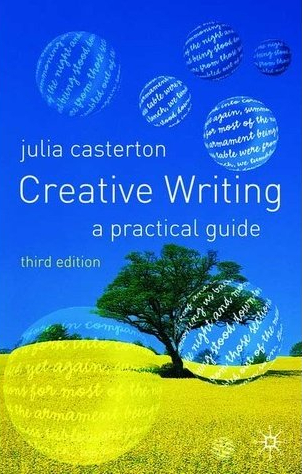
Creative Writing: A Practical Guide

Bookfinder

Creative writing a practical guide

Julia Casterton 1403942633
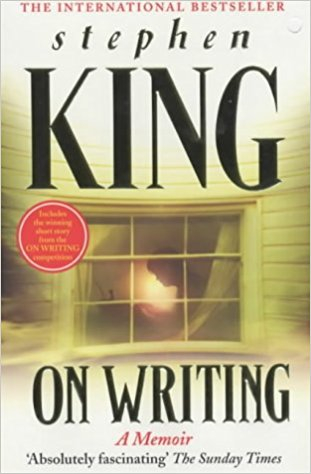
On Writing: A Memoir of the Craft

Bookfinder

on writing

Stephen King 9781444723250
The Writer’s Block: 786 Ideas To Jump-start Your Imagination

Bookfinder

block1

Jason Rekulak 0762409487
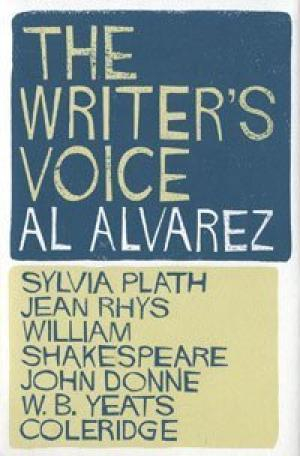
The Writer’s Voice

Bookfinder

The Writer's Voice

Al Alvarez 0747579318
What If?: Writing Exercises for Fiction Writers

Bookfinder

what if

Anne Bernays 0062720066
The Situation and the Story: The Art of Personal Narrative

Bookfinder

situation and story

Vivian Gornick 0374528586
Writing Down the Bones: Freeing the Writer Within

Bookfinder

writing down the bones

Natalie Goldberg 9781611803082
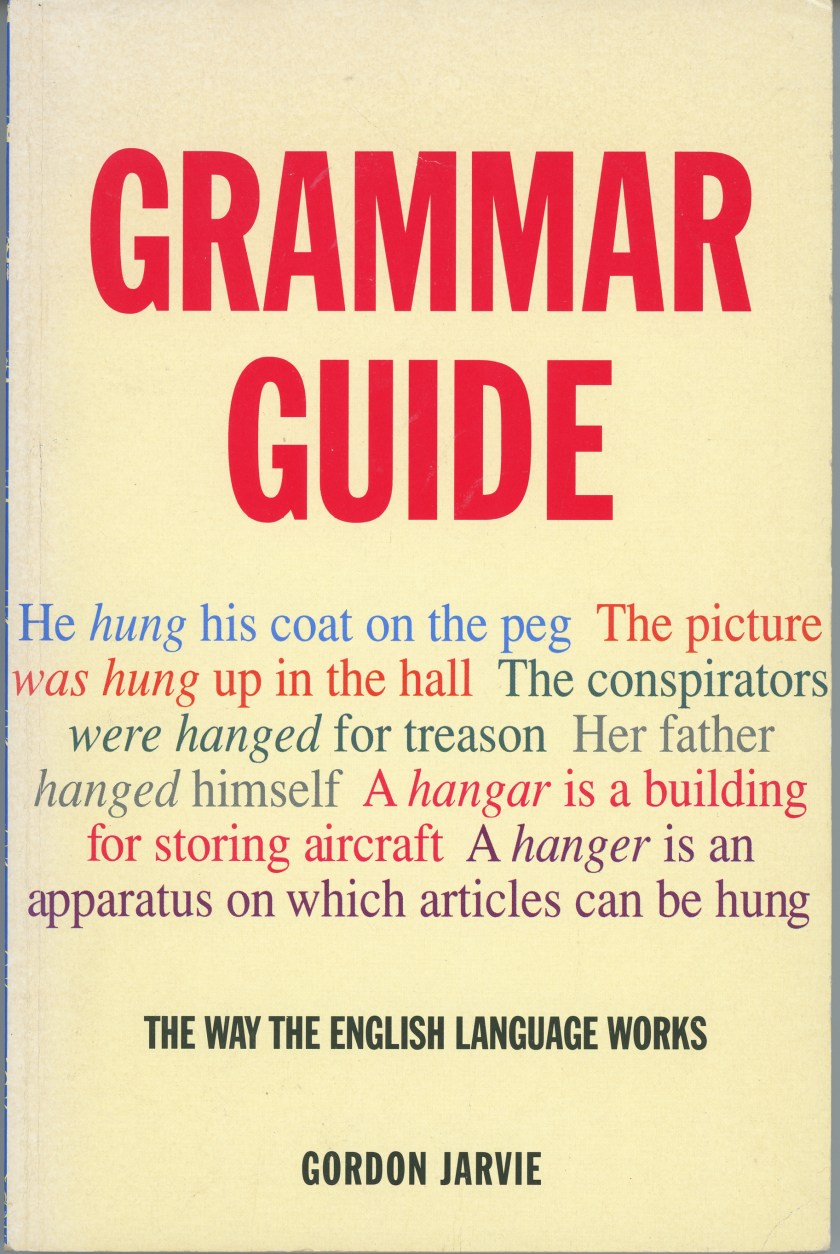
Grammar Guide – the way the English Language Works

Bookfinder

grammar1

Gordon Jarvie 0747513856
Eats, Shoots and Leaves

Bookfinder

eats shoots leaves

Lynne Truss 1861976127
Writers Handbook

(A different one is published each year)

Writers' Handbook

J. Paul Dyson 1909935131
Writers’ & Artists’ Yearbook

(a new version is published each year)

writers and artists

A & C Black Publishers Ltd 9781472935052

Hopefully you will find some of them readable and/or useful.

I welcome suggestions for other books that I have not included.